Kit for RV & Van Life

The RV & Van Life Comms Kit

Stay reachable from a rig that moves every week, runs on its own power, and parks where the towers stop.

Why generic advice fails here

Nothing is fixed, the power budget is finite, and there is no grid to fall back on.

The four-layer stack

Every layer has one job. Lose one and the chain breaks.

  1. 1
  2. 2
    PowerKeep the stack alive
  3. 3
    LocalCoordinate on the ground
  4. 4
    FallbackReach out when all else fails

Built for you if

  • Full-timers and weekenders who park in dead zones where cell coverage simply ends
  • Two or three rigs traveling together who need to talk vehicle to vehicle on the move
  • Boondockers running off solar and batteries with no shore power and no grid nearby
  • Anyone who wants storm alerts and an SOS button when the nearest tower is an hour away

Look elsewhere if

  • Apartment and condo residents who need a fixed, no-drill setup inside one building
  • People who expect a single device to replace power, radios, and satellite all at once
  • Travelers who will never charge the power station, license the radio, or test the antenna
  • Anyone who only ever camps with full hookups and reliable five-bar cell service

The constraints that decide everything

Generic checklists ignore these. Every pick below is chosen around them.

01

Mobile, not fixed

Your setup moves to a new spot every few days, so signal you had last week means nothing tonight. Coverage, terrain, and sky view change with every campsite. The kit has to work the same whether you are in a forest service road, a desert flat, or a packed RV park, which rules out anything that depends on one permanent install and pushes the build toward roof-mount antennas, portable power, and satellite that follows you.

02

Off-grid power budget

Every device draws from a finite house battery, and on a cloudy week your solar may not keep up. A radio, a phone, and especially satellite internet all compete for the same amp-hours. The honest plan starts with power, because comms gear that cannot stay charged is dead weight. Size the power station to the loads you actually run and know how long each one lasts before you rely on it.

03

Convoy coordination

When two or three rigs travel together, the gap between them on a highway or a washboard forest road can stretch for miles. Phones drop, and shouting on the CB days are over. A 50W GMRS mobile radio with a real roof antenna is what keeps the lead rig and the tail rig talking through the gaps, around the switchbacks, and into the next valley. Test the actual range of your convoy spacing before you trust it.

04

No tower fallback

Park far enough out and there is no grid, no carrier, and no booster on earth can amplify a signal that does not exist. A cell booster only helps where there is faint coverage to begin with. Out in a true dead zone the only thing that reaches the outside world is satellite, so the kit treats satellite as the real last resort and the booster as a maybe, not the plan.

If you buy three things

3 picks
Power layer

Best Power Layer

8.0
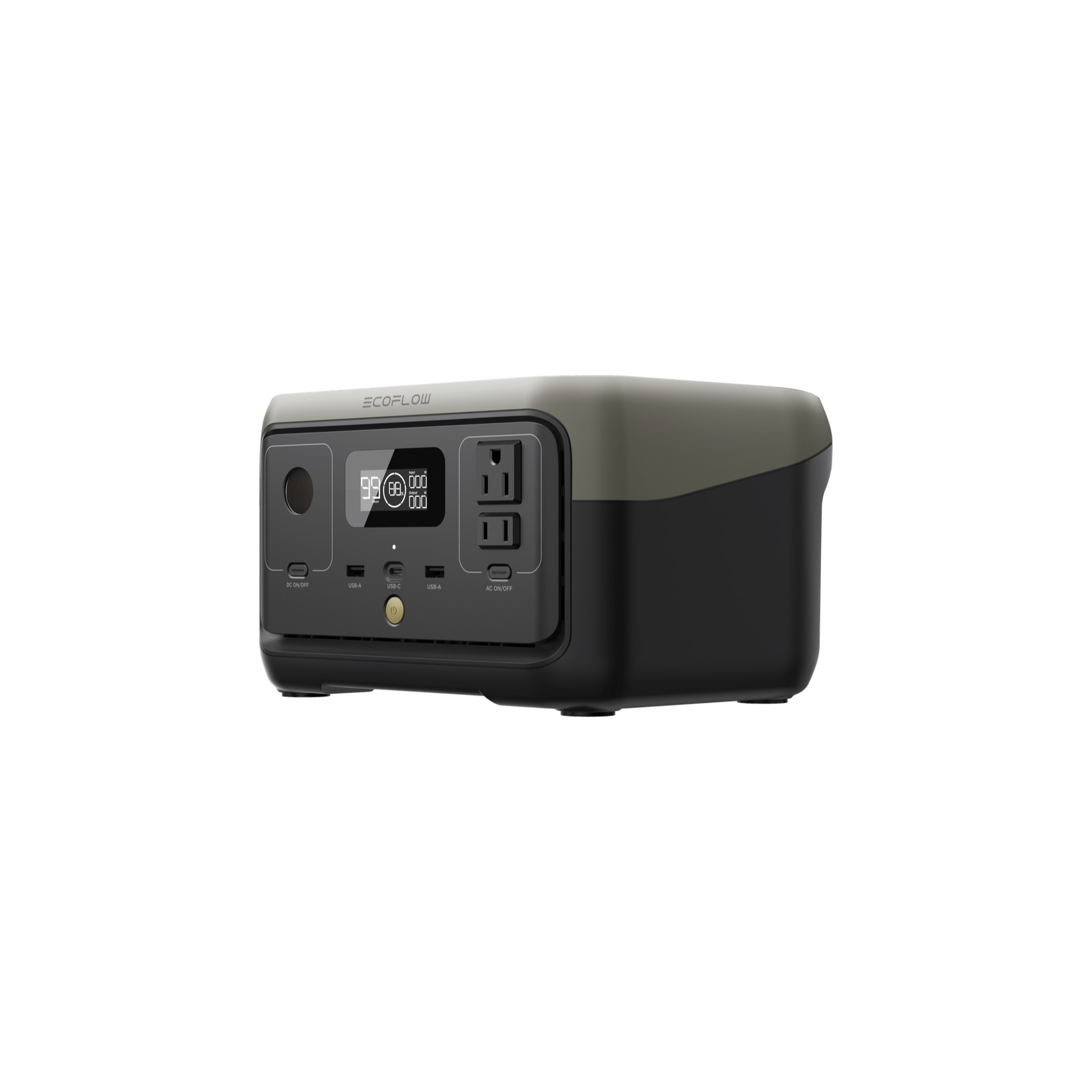
The power layer that makes the rest of the kit usable off-grid. Every other device, the radio, the phones, the satellite dish, dies the moment the house battery does, and this is the buffer that keeps them running. Solar input means it tops itself off between drives, and the display makes the charge state obvious so you never guess. This is the part of the kit you build around, because off-grid comms is a power problem first and a radio problem second.
Buy on Amazon
Local layer

Best Local Layer

9.0

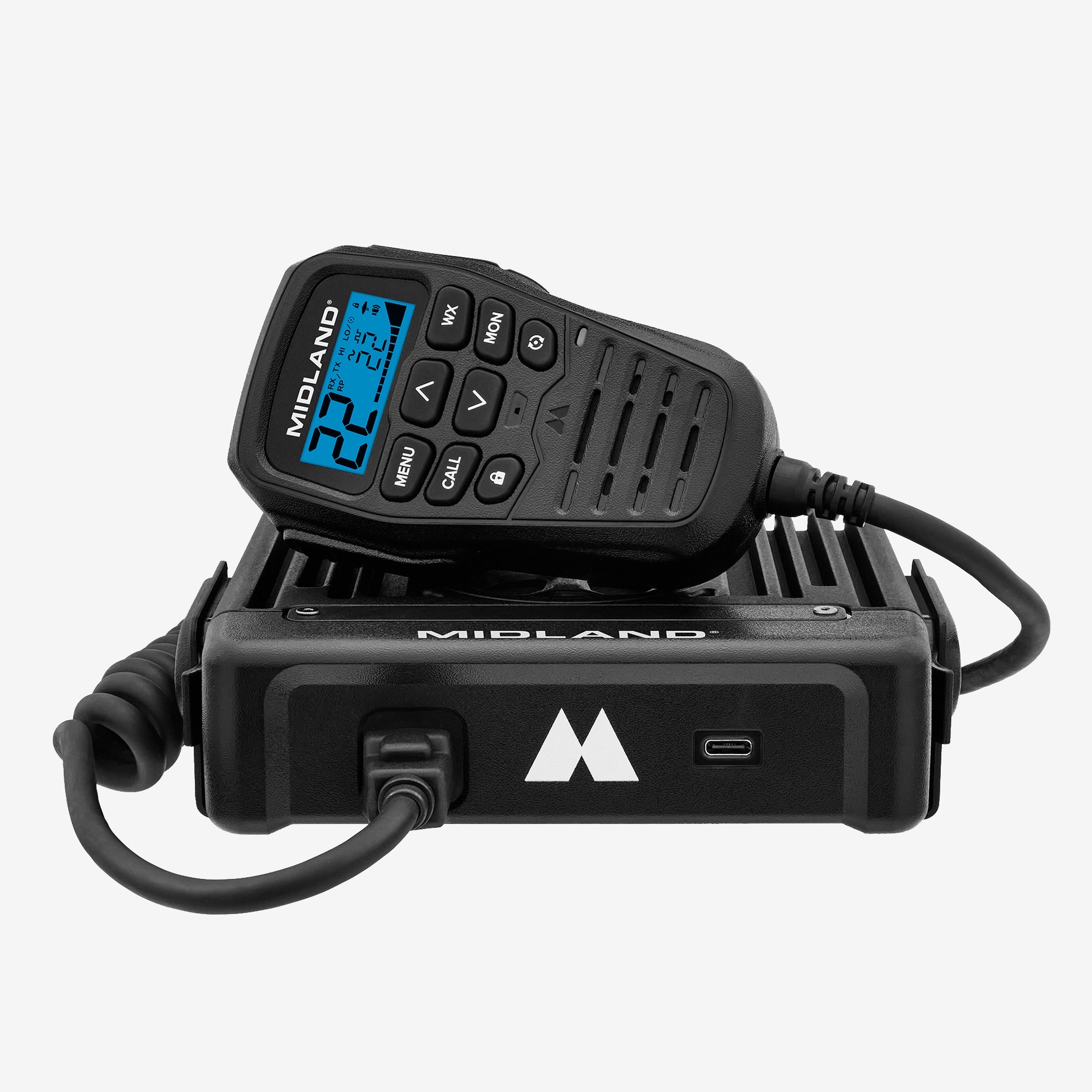
The 50W GMRS mobile that turns a rig into a comms hub for convoy travel. Maximum legal power and a real roof antenna are what hold a connection between the lead rig and the tail rig across the gaps a phone cannot bridge. It also scans NOAA weather and supports repeater channels for reaching further when there is a repeater in range. It needs an FCC GMRS license, which costs little and covers the whole household for ten years, so handle that before the trip.

Buy on Amazon
Fallback layer

Best Fallback Layer

8.8

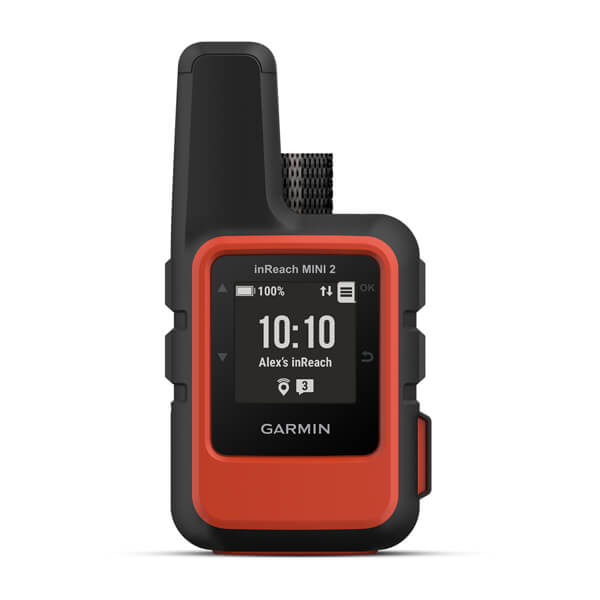
The last-resort layer for the dead zones where nothing else reaches. Two-way satellite messaging, an SOS button, and location sharing in a body that clips to a pack, so a solo hike away from the rig is still covered. It sips power compared to a satellite dish, which makes it the lighter half of your satellite plan when the budget is tight. Test a non-emergency message from a real campsite before you depend on it, because tree cover and canyon walls can block the sky.

Buy on Amazon

The full kit, layer by layer

Every component, grouped by the job it does in the stack.

Alert

Best Alert Layer

Midland ER310 Emergency Crank Weather Radio
Weather Alerts:
Yes
Battery Life:
32 hrs
SOS Button:
Yes
Buy on Amazon
$708.3 / 5
Power

Power Station

Best Power Layer

EcoFlow RIVER 2 Portable Power Station (256Wh)
Max Power:
300 W
Battery Life:
256 hrs
Water Resistant:
No
Buy on Amazon
$1998.0 / 5

Charging Hub

Daily Charging Top-Off

Anker 40W Dual USB-C Car Charger with Power Delivery (PowerIQ 3.0)
Max Power:
40 W
Building Fit:
vehicle 12V
Renter Install:
plug-in
Buy on Amazon
$178.0 / 5
Local

Gmrs Mobile

Best Local Layer

Midland MXT575 50W MicroMobile GMRS Two-Way Radio
Max Power:
50 W
Channels:
15
Clear LOS Range:
40 mi
Buy on Amazon
$4499.0 / 5

Antenna

Roof Antenna Upgrade

Midland MXTA51 MicroMobile 2.1dB NMO Replacement Antenna Kit
Water Resistant:
Yes
Building Fit:
vehicle / RV
License Required:
Yes
$558.0 / 5
Fallback

Satellite messengers

Best Fallback Layer

Garmin inReach Mini 2 Satellite Communicator
2-Way Messaging:
Yes
SOS Button:
Yes
Subscription Required:
Yes
Buy on Amazon
$3508.8 / 5

Satellite Internet

Full-Bandwidth Satellite

Starlink Mini Portable Satellite Internet Kit
Max Power:
30 W
Water Resistant:
Yes
Subscription Required:
Yes
$5999.0 / 5

Build it in this order

You do not need everything at once. Start at the top and work down.

  1. 1

    Power first

    Build the kit around the power station and the way you keep it charged. Set up the house battery, the solar input, and the in-cab charger so the rig replenishes itself between drives. Comms gear that cannot stay charged off-grid is useless, so prove the power budget holds for the loads you plan to run before you add anything that draws from it.

  2. 2

    Build the local loop

    Mount the 50W GMRS radio and the roof antenna, get the FCC license, and set a convoy channel plan. Then test the actual range at the spacing your group really drives, on real terrain, not the miles printed on the box. Write the channel plan and call sign where every rig can see it, and confirm the NOAA weather scan works from a parked spot.

  3. 3

    Add the true fallback

    For the dead zones the radio and the towers never reach, add satellite as the genuine last resort. Choose the messenger for a low-power always-on SOS link, the dish for real internet when the power budget and the sun allow, or both. Send a test message and bring up a connection from an actual remote campsite before you rely on either one in an emergency.

Questions this persona always asks

Do I really need all four layers for van life?
No. Start with power and alerts, because they are useful on every trip and the power station is the foundation for everything else. Add the GMRS radio if you travel with other rigs or want serious range, and add satellite only when you genuinely park beyond cell coverage. The four layers are a menu of failure modes, not a mandatory shopping list, so build the ones that match how and where you actually travel.
Will a cell booster fix coverage when I am boondocking off-grid?
Only where there is already a faint signal to amplify. A booster strengthens weak coverage; it does nothing in a true dead zone where there is no carrier signal at all. Out past the towers, the radio handles vehicle-to-vehicle and satellite handles the outside world. Save the booster for the in-between spots with one bar near a ridge, not the remote sites where coverage simply ends.
How far will the GMRS convoy radio actually reach between rigs?
Far less than the 40-plus miles on the box, and the roof antenna matters more than the wattage. Real range depends on terrain, antenna height, and what is between the rigs, so a clear desert highway reaches much further than a switchback through timber. The honest number is the one you test at your own convoy spacing on real roads. A roof-mounted NMO antenna is the single biggest upgrade to that range.
Does satellite internet drain my power budget?
Yes, noticeably. A satellite dish pulls steady watts and can flatten a small power station in hours, which is why it pairs with the power station and a good solar window rather than a single cloudy day. A satellite messenger sips far less, so many rigs run the messenger as the always-on SOS link and bring up the dish only when they need real bandwidth and the sun cooperates.
Do I need a license or subscriptions for any of this?
GMRS transmit use requires an FCC license in the US. There is no exam, the fee is modest, and one license covers your whole household for ten years, so write the call sign into your channel plan. Satellite messaging and satellite internet each require their own subscription. The NOAA weather radio and the charging gear need neither. Decide which ongoing costs fit your travel before you buy.

Free printable checklist

The Boondocker's Comms Checklist

A printable one-page checklist for the off-grid power budget, the GMRS convoy channel plan and call sign, the roof antenna route, and the satellite test from a real dead-zone campsite. Built to live in the rig, not in a forgotten folder.

Not quite your situation?

These kits start from a different constraint.