Kit #2 for the Gulf & Atlantic CoastRefresh by May 1

The Hurricane Coast Outage Kit

Stay reachable through both phases of a hurricane: coordinating the evacuation before landfall, and reaching family when the grid and the cell towers are gone for days after.

Why generic advice fails here

Towers go down for days, not just the power, and the gear has to survive flood and rain.

The four-layer stack

Every layer has one job. Lose one and the chain breaks.

  1. 1
  2. 2
  3. 3
    LocalCoordinate on the ground
  4. 4
    FallbackReach out when all else fails

Built for you if

  • Gulf Coast and Atlantic Coast households in FL, TX, LA, MS, AL, GA, SC, and NC
  • Anyone living inside a flood zone or a mandatory evacuation zone
  • Families who split into more than one vehicle during an evacuation and need to stay coordinated
  • Households that shelter in place and expect cell service to fail for days after landfall

Look elsewhere if

  • Inland households whose main risk is a winter grid-down event, not a coastal storm
  • People who fully evacuate hundreds of miles inland every time and never shelter in place
  • Anyone who wants a single device instead of a plan that covers both storm phases
  • Households that will buy gear once and never charge, test, or restock it before season

The constraints that decide everything

Generic checklists ignore these. Every pick below is chosen around them.

01

A hurricane is two events, not one

The pre-landfall phase is about coordinating an evacuation while cell networks are still up but congested. The post-landfall phase is a multi-day blackout where the grid is gone and the towers may be too. A kit built for only one phase fails in the other. Plan for both: the drive out, and the days after when you are reachable to no one.

02

The towers go down, not just the power

This is the failure people miss. After a major storm, cell service can stay dead for days because the towers themselves are flooded, wind-damaged, or out of fuel for their backup generators. A power station keeps your phone charged, but a charged phone with no signal still reaches no one. Backup power is necessary and not sufficient. The satellite and radio layers carry the plan when the network is gone.

03

Flood and water will reach the gear

Storm surge, driving rain, and roof leaks all put water where your electronics live. Radios, power banks, the satellite messenger, IDs, and the printed plan have to be water-resistant or sealed in a dry bag, and stored above the expected flood line. Plan the gear to survive getting wet, because in a hurricane it usually does.

04

Families separate, and phones die

Evacuation caravans split at gas stations and clogged interstates, phones run flat in stalled traffic, and the people you most need to reach are the ones you cannot. The fix is a no-cell coordination plan agreed before the storm: a household radio channel for the caravan, an out-of-state contact everyone calls, and a meeting point. Write it down, because nobody remembers it under stress.

If you buy three things

3 picks
Alert layer

Best Alert Layer

8.3
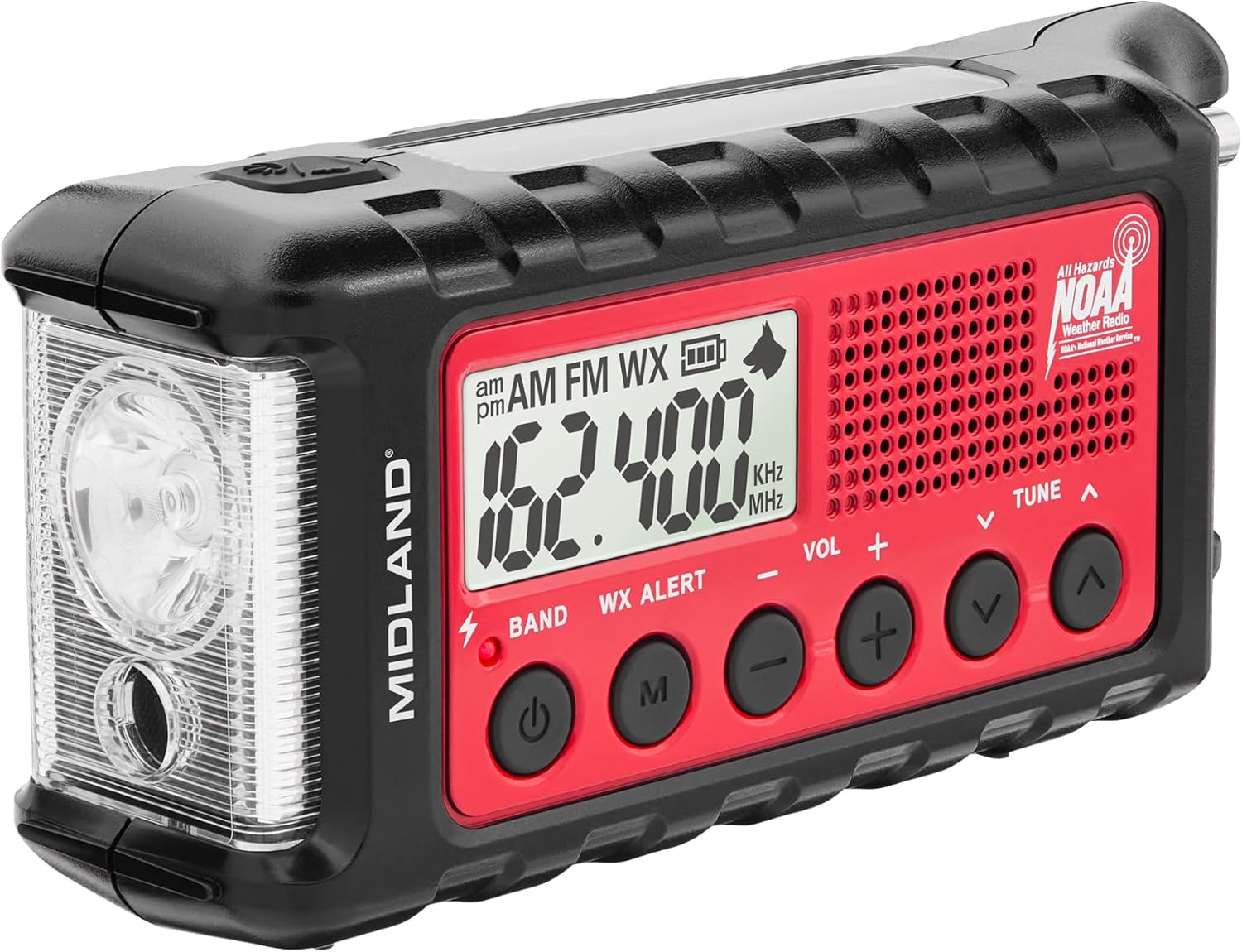
The non-negotiable first buy and the cheapest layer in the kit. It pulls NOAA storm warnings and tracks the system without a phone, carrier signal, or subscription, so you stay ahead of the cone before landfall and keep getting official updates after the grid is gone. Hand-crank and solar charging keep it alive through a multi-day blackout, and it tops off a phone in a pinch. This radio lives in the kit year-round.
Buy on Amazon
Power layer

Best Power Layer

9.0

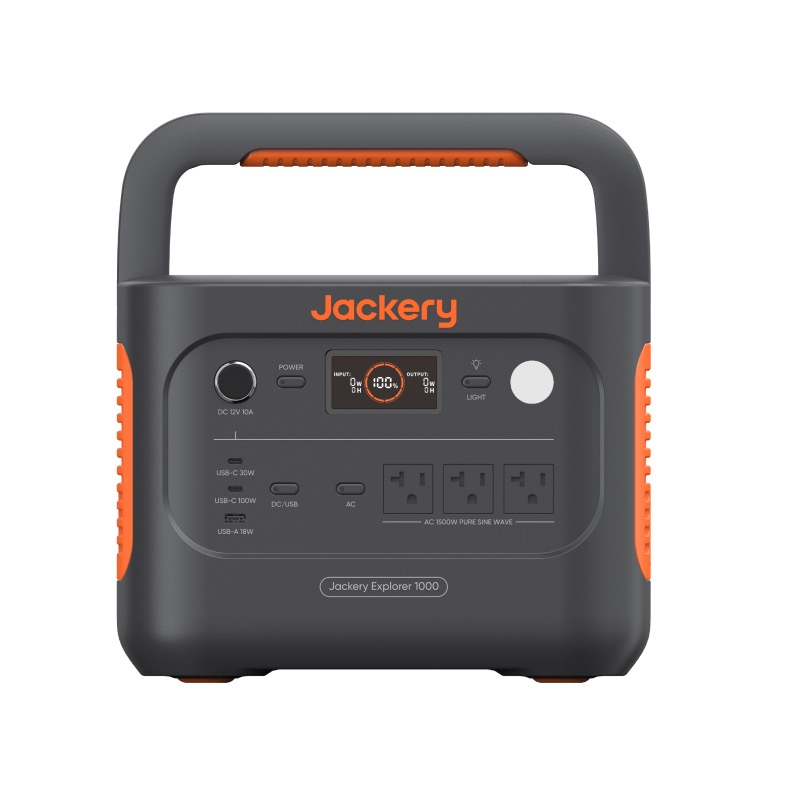
The power hub that keeps the whole kit alive for days after the grid goes dark. The 1070Wh LiFePO4 capacity runs phones, radios, a CPAP, and a fan through a multi-day blackout, and the roughly one-hour fast recharge means you can top it off from a generator or car during a break in the weather. It is heavy and not waterproof, so shelter it and elevate it above the flood line. Buy it before season and keep it charged; an empty power station is useless the day the storm arrives.

Buy on Amazon
Fallback layer

Best Fallback Layer

8.1

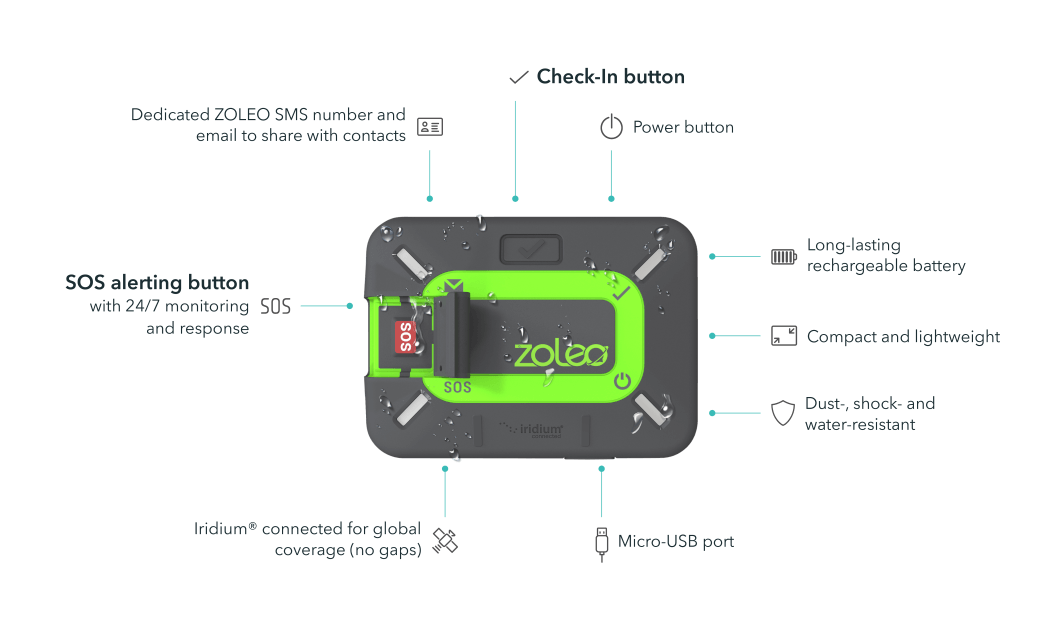
The layer that reaches family when the towers stay down for days after landfall. Two-way satellite messaging and SOS at a lower device price than Garmin, with a phone-first workflow that feels familiar to people who are not outdoors users. It needs a clear sky view, so use it from a porch, yard, or evacuation route rather than the center of a flooded house, and send a test message before season so the family knows the routine.

Buy on Amazon

The full kit, layer by layer

Every component, grouped by the job it does in the stack.

Alert

Best Alert Layer

Midland ER310 Emergency Crank Weather Radio
Weather Alerts:
Yes
Battery Life:
32 hrs
SOS Button:
Yes
Buy on Amazon
$708.3 / 5
Power

Power Station

Best Power Layer

Jackery Explorer 1000 v2 Portable Power Station, 1070Wh LiFePO4 Battery, 1500W AC/100W USB-C Output
Max Power:
1500 W
Battery Life:
1070 hrs
Water Resistant:
No
Buy on Amazon
$4499.0 / 5

Solar Panel

Off-Grid Recharge Panel

Jackery SolarSaga 100 Prime Bifacial DIY Solar Panel, 100W Portable Solar Charger, 25% Conversion Efficiency, IP68 Waterproof
Max Power:
100 W
Water Resistant:
Yes
Renter Install:
No installation — unfold and set in sun
Buy on Amazon
$2498.0 / 5

Case

Flood-Proofing For The Kit

Earth Pak Original Waterproof Dry Bag 20L, Roll-Top Closure, 500D PVC, IPX5
Water Resistant:
Yes
Building Fit:
Flexible; fits in any bag or evacuation kit
Renter Install:
No installation — roll top and clip
Buy on Amazon
$288.0 / 5

Inverter

Evacuation-Route Charging

UGREEN 130W USB C Car Charger, PD 100W + PD 30W, 3-Port Cigarette Lighter Adapter with LED Display
Max Power:
130 W
Building Fit:
In-car only; 12V cigarette lighter socket required
Renter Install:
No installation — plug into cigarette lighter
Buy on Amazon
$268.0 / 5
Local

Best Local Layer

Rocky Talkie 5 Watt GMRS Radio
Max Power:
5 W
Channels:
22
Clear LOS Range:
40 mi
Buy on Amazon
$1758.5 / 5

Budget Caravan Pair

Midland GXT1000VP4 GMRS Radio Pair
Max Power:
5 W
Channels:
50
Clear LOS Range:
36 mi
Buy on Amazon
$657.8 / 5
Fallback

Best Fallback Layer

ZOLEO Global Satellite Communicator
2-Way Messaging:
Yes
SOS Button:
Yes
Subscription Required:
Yes
Buy on Amazon
$2008.1 / 5

Standalone Satellite Pick

Garmin inReach Mini 2 Satellite Communicator
2-Way Messaging:
Yes
SOS Button:
Yes
Subscription Required:
Yes
Buy on Amazon
$3508.8 / 5

Build it in this order

You do not need everything at once. Start at the top and work down.

  1. 1

    Put the alert layer in the kit now

    Start with the crank NOAA radio and leave it in the kit year-round. It is cheap, it needs no power or subscription, and it is what tells you when a system in the Gulf or Atlantic becomes your problem. Everything else stacks on the ability to catch the warning early and keep receiving official updates after the grid is gone.

  2. 2

    Buy and top off the power layer before season

    Buy the power station, solar panel, and dry bag well before June, then recharge the station every May as part of your prep. A power station is useless empty, and the day the cone points at you is too late to charge it. Store it sheltered and above the flood line, and seal the smaller electronics in the dry bag.

  3. 3

    Pick a fallback that matches your storm plan

    If you shelter in place, lead with the satellite messenger so you can reach family when the towers are down for days. If you evacuate by caravan, lead with the household radio plan so two cars stay coordinated when phones congest. Most coastal households end up wanting both, in that order, and a clear sky view for the satellite layer.

  4. 4

    Write the family comms plan

    Agree the plan before the storm: an out-of-state contact everyone calls, the radio channel for the caravan, the device charging rotation off the power station, and a meeting point if you separate. Write it on paper and seal a copy in the dry bag, because under evacuation stress nobody remembers it from memory. This is the lead magnet, and it is the layer that ties the gear together.

Questions this persona always asks

Why not just buy a generator?
A generator runs appliances, and it does nothing for dead cell towers. After a major storm the towers themselves often fail for days because they are flooded, wind-damaged, or out of generator fuel. A charged phone with no signal still reaches no one. You need a communications plan, not only power. Backup power is one layer of this kit, and the radio and satellite layers are what keep you reachable when the network is gone.
Do cell boosters help after a hurricane?
Only if a tower near you is still up. A booster amplifies weak signal from a working tower into your home, but it cannot create signal when the towers are down, and after a major hurricane many are. That is exactly the gap the satellite layer is built to cover. For coastal storms, spend on the satellite messenger and the local radio plan before a booster.
What actually works when the towers are down for days?
Two things. Satellite messengers like ZOLEO and the inReach Mini 2 send text and SOS over satellite with no cell network involved, as long as they have a clear sky view. Local radios like the Rocky Talkie keep household members and the evacuation caravan talking to each other directly. Between those two layers you can reach the outside world and coordinate at home even when the carrier network is gone.
How do I keep the gear working through flooding?
Plan for water, because in a hurricane it usually arrives. Choose water-resistant gear where you can, seal phones, the satellite messenger, chargers, IDs, and the printed plan in a dry bag, and store everything above your expected flood line. The dry bag in this kit handles spray and brief contact, not sustained submersion, so the goal is to keep the kit dry and elevated rather than to trust any single bag underwater.
Do I need a subscription or license for any of this?
The satellite messengers require a monthly plan, and the GMRS radios require an FCC license in the US, which has a fee and a call sign but no exam. The crank weather radio, the power station, the solar panel, the car charger, and the dry bag need neither. Decide which ongoing costs you will carry before you buy, set up the satellite plan and the GMRS license before season, and write the call sign into the family plan.

Free printable checklist

The Hurricane Family Comms Plan

A printable one-page plan with the out-of-state contact card, the radio channel plan, the evacuation meeting points, and the device charging rotation off the power station. Built to seal in the dry bag next to the kit, so the family knows the plan before the storm and can follow it when phones are dead.

Not quite your situation?

These kits start from a different constraint.