EF ECOFLOW Portable Power Station DELTA 2, 1024Wh LiFePO4 (LFP) Battery, 1800W AC/100W USB-C Output vs weBoost Home Studio Cell Signal Booster
Head-to-head spec comparison to help you pick the right kit component for your needs.
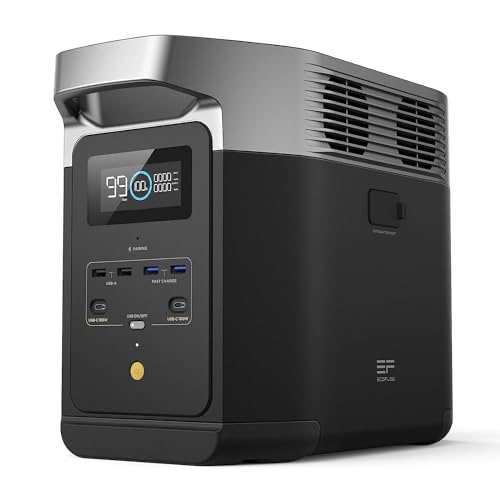
EcoFlow
$449
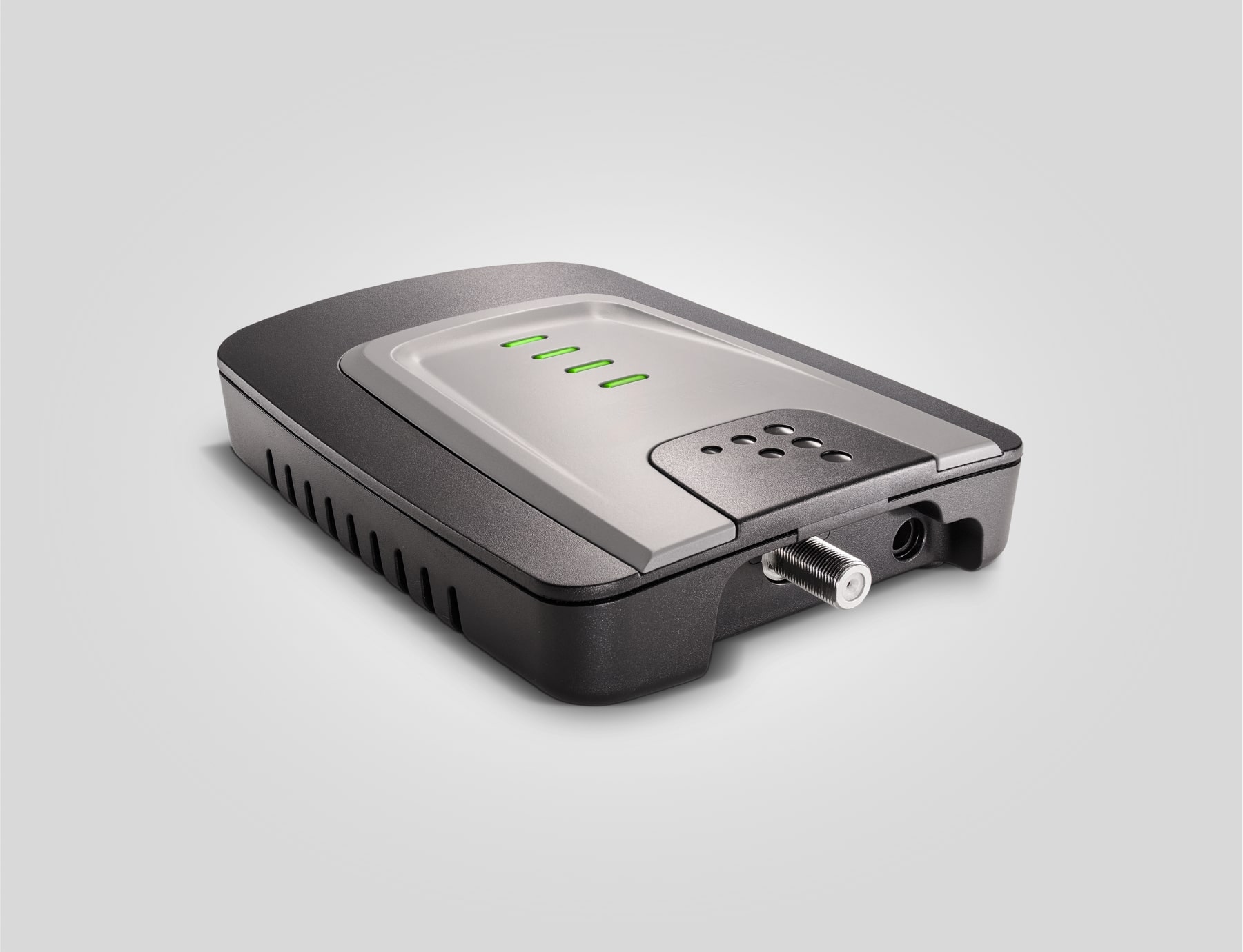
weBoost
$250
Spec-by-Spec Comparison
| Spec | EF ECOFLOW Portable Power Station DELTA 2, 1024Wh LiFePO4 (LFP) Battery, 1800W AC/100W USB-C Output | weBoost Home Studio Cell Signal Booster |
|---|---|---|
| Kit Role | Caregiver room power station; supports tested CPAP and some concentrator setups, not medical-grade UPS | cell booster |
| Category | power-station | cell-booster |
| Renter Install | no install | window route |
| Building Fit | plug-in | one room |
| Max Power | 1800 W | N/A |
| Channels | N/A | N/A |
| Clear LOS Range | N/A | N/A |
| Coverage | N/A | 3000 sq ft |
| Battery Life | N/A | N/A |
| Water Resistant | No | No |
| SOS Button | No | No |
| Weather Alerts | No | No |
| License Required | No | No |
| Subscription Required | No | No |
| Subscription/mo | 0 $ | 0 $ |
| Price | $449 | $250 |
| Rating | 9.0/10 | 8.2/10 |
| Buy on Amazon | Buy on Amazon |
Pros & Cons
EF ECOFLOW Portable Power Station DELTA 2, 1024Wh LiFePO4 (LFP) Battery, 1800W AC/100W USB-C Output
Pros
- Pure sine wave inverter (1800W continuous, 2700W surge) supports many CPAP machines and some oxygen-concentrator setups within tested wattage limits
- 1024Wh LiFePO4 (LFP) battery can carry many non-humidified CPAP setups overnight after a full-device test
- Charges to 80% in ~50 minutes via AC wall outlet — fast top-up between storms or before a predicted outage
- Six AC outlets (US model) plus USB-C 100W; enough for a measured bedside load such as CPAP, lamp, phone, or medication fridge
- 10-year LFP battery lifespan (~3000 cycles to 80%) vs. ~500 cycles for older lithium chemistries
Cons
- 26 lbs — heavy for a frail elderly user to move alone; needs a fixed bedside location
- App-based remote monitoring requires smartphone familiarity (app optional, not required for basic use)
- At $449 MSRP it is the most expensive item in this kit; sale prices of $399–$428 are common
- Not a medical-grade UPS or life-support backup; EcoFlow lists 30ms EPS transfer and says compatibility must be tested
- EcoFlow warns against using it for medical emergency equipment related to personal safety without device/manufacturer guidance
weBoost Home Studio Cell Signal Booster
Pros
- Most trusted one-room booster in the kit
- Works with major US carriers when outside signal exists
- Keeps one phone station usable during weak-signal outages
- Smaller footprint than whole-home booster kits
- Clear role for apartments: one room by a window
Cons
- Not truly no-drill if the antenna route needs exterior placement
- Only solves weak signal, not a total carrier outage
- Coverage depends heavily on window-side signal strength
- Consumer boosters should be registered with the wireless provider before use
- Single-room coverage is not enough for large condos
Our Verdicts
EF ECOFLOW Portable Power Station DELTA 2, 1024Wh LiFePO4 (LFP) Battery, 1800W AC/100W USB-C Output
The DELTA 2 is a strong caregiver-room power station, not a universal medical backup. Its 1800W pure-sine inverter and 1024Wh battery can run many CPAP and some oxygen-concentrator setups within wattage and surge limits, but the exact machine, cable, humidifier setting, and AC timeout behavior must be tested. Use it for capacity; use a dedicated CPAP battery or medical-grade backup when uninterrupted failover or life-safety equipment is involved.
weBoost Home Studio Cell Signal Booster
The Home Studio is the first cell booster most apartment dwellers should consider when one window gets usable signal but the rest of the unit is dead. It is not magic during a total tower outage, and it still needs wireless-provider registration and consent, but it can keep a command-post phone alive long enough to send updates, receive alerts, and coordinate next steps.
EF ECOFLOW Portable Power Station DELTA 2, 1024Wh LiFePO4 (LFP) Battery, 1800W AC/100W USB-C Output
$449