EF ECOFLOW Portable Power Station DELTA 2, 1024Wh LiFePO4 (LFP) Battery, 1800W AC/100W USB-C Output vs SureCall Flare 3.0 Home Cell Signal Booster
Head-to-head spec comparison to help you pick the right kit component for your needs.
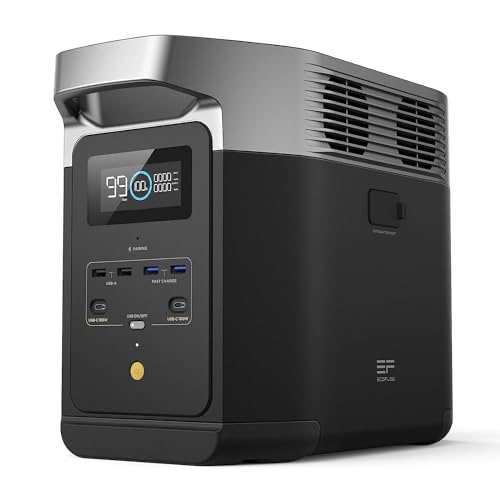
EcoFlow
$449
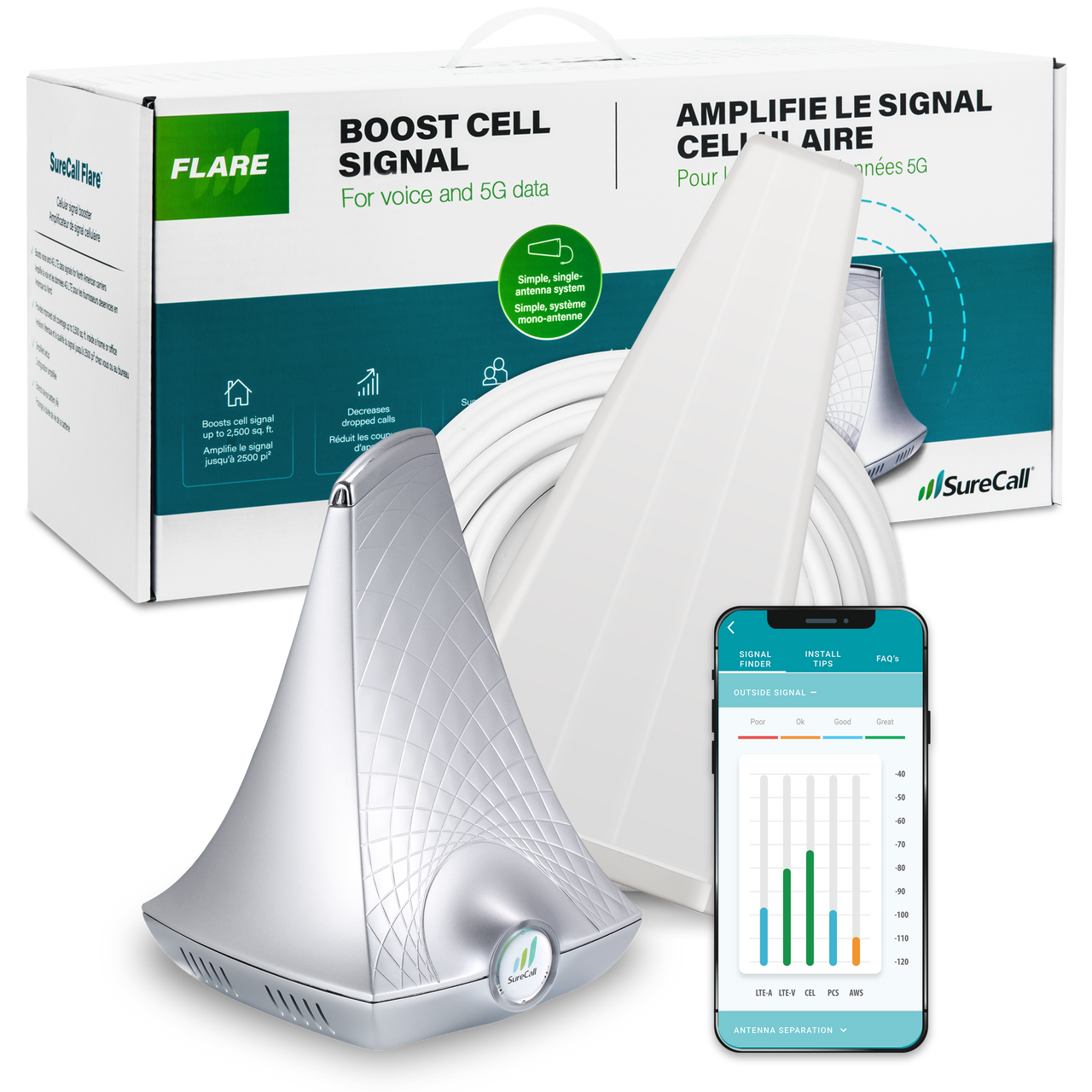
SureCall
$300
Spec-by-Spec Comparison
| Spec | EF ECOFLOW Portable Power Station DELTA 2, 1024Wh LiFePO4 (LFP) Battery, 1800W AC/100W USB-C Output | SureCall Flare 3.0 Home Cell Signal Booster |
|---|---|---|
| Kit Role | Caregiver room power station; supports tested CPAP and some concentrator setups, not medical-grade UPS | cell booster |
| Category | power-station | cell-booster |
| Renter Install | no install | permission likely |
| Building Fit | plug-in | multi-room |
| Max Power | 1800 W | N/A |
| Channels | N/A | N/A |
| Clear LOS Range | N/A | N/A |
| Coverage | N/A | 3500 sq ft |
| Battery Life | N/A | N/A |
| Water Resistant | No | No |
| SOS Button | No | No |
| Weather Alerts | No | No |
| License Required | No | No |
| Subscription Required | No | No |
| Subscription/mo | 0 $ | 0 $ |
| Price | $449 | $300 |
| Rating | 9.0/10 | 7.7/10 |
| Buy on Amazon | Buy on Amazon |
Pros & Cons
EF ECOFLOW Portable Power Station DELTA 2, 1024Wh LiFePO4 (LFP) Battery, 1800W AC/100W USB-C Output
Pros
- Pure sine wave inverter (1800W continuous, 2700W surge) supports many CPAP machines and some oxygen-concentrator setups within tested wattage limits
- 1024Wh LiFePO4 (LFP) battery can carry many non-humidified CPAP setups overnight after a full-device test
- Charges to 80% in ~50 minutes via AC wall outlet — fast top-up between storms or before a predicted outage
- Six AC outlets (US model) plus USB-C 100W; enough for a measured bedside load such as CPAP, lamp, phone, or medication fridge
- 10-year LFP battery lifespan (~3000 cycles to 80%) vs. ~500 cycles for older lithium chemistries
Cons
- 26 lbs — heavy for a frail elderly user to move alone; needs a fixed bedside location
- App-based remote monitoring requires smartphone familiarity (app optional, not required for basic use)
- At $449 MSRP it is the most expensive item in this kit; sale prices of $399–$428 are common
- Not a medical-grade UPS or life-support backup; EcoFlow lists 30ms EPS transfer and says compatibility must be tested
- EcoFlow warns against using it for medical emergency equipment related to personal safety without device/manufacturer guidance
SureCall Flare 3.0 Home Cell Signal Booster
Pros
- Strong value for larger indoor coverage
- All-carrier support
- Good command-post option for a family or condo floor
- Often costs less than comparable weBoost coverage
- Useful when the best signal is near one exterior wall
Cons
- Outdoor antenna placement matters
- Not the cleanest no-drill renter setup
- Wireless-provider registration and E911 caveats still apply
- Support and documentation can feel less polished
- Coverage claims shrink quickly in dense buildings
Our Verdicts
EF ECOFLOW Portable Power Station DELTA 2, 1024Wh LiFePO4 (LFP) Battery, 1800W AC/100W USB-C Output
The DELTA 2 is a strong caregiver-room power station, not a universal medical backup. Its 1800W pure-sine inverter and 1024Wh battery can run many CPAP and some oxygen-concentrator setups within wattage and surge limits, but the exact machine, cable, humidifier setting, and AC timeout behavior must be tested. Use it for capacity; use a dedicated CPAP battery or medical-grade backup when uninterrupted failover or life-safety equipment is involved.
SureCall Flare 3.0 Home Cell Signal Booster
The Flare 3.0 is the value play when you have permission to install a real antenna path. For renters without that permission, start with a smaller one-room plan first.
EF ECOFLOW Portable Power Station DELTA 2, 1024Wh LiFePO4 (LFP) Battery, 1800W AC/100W USB-C Output
$449