Midland MXT575 50W MicroMobile GMRS Two-Way Radio vs weBoost Home Studio Cell Signal Booster
Head-to-head spec comparison to help you pick the right kit component for your needs.
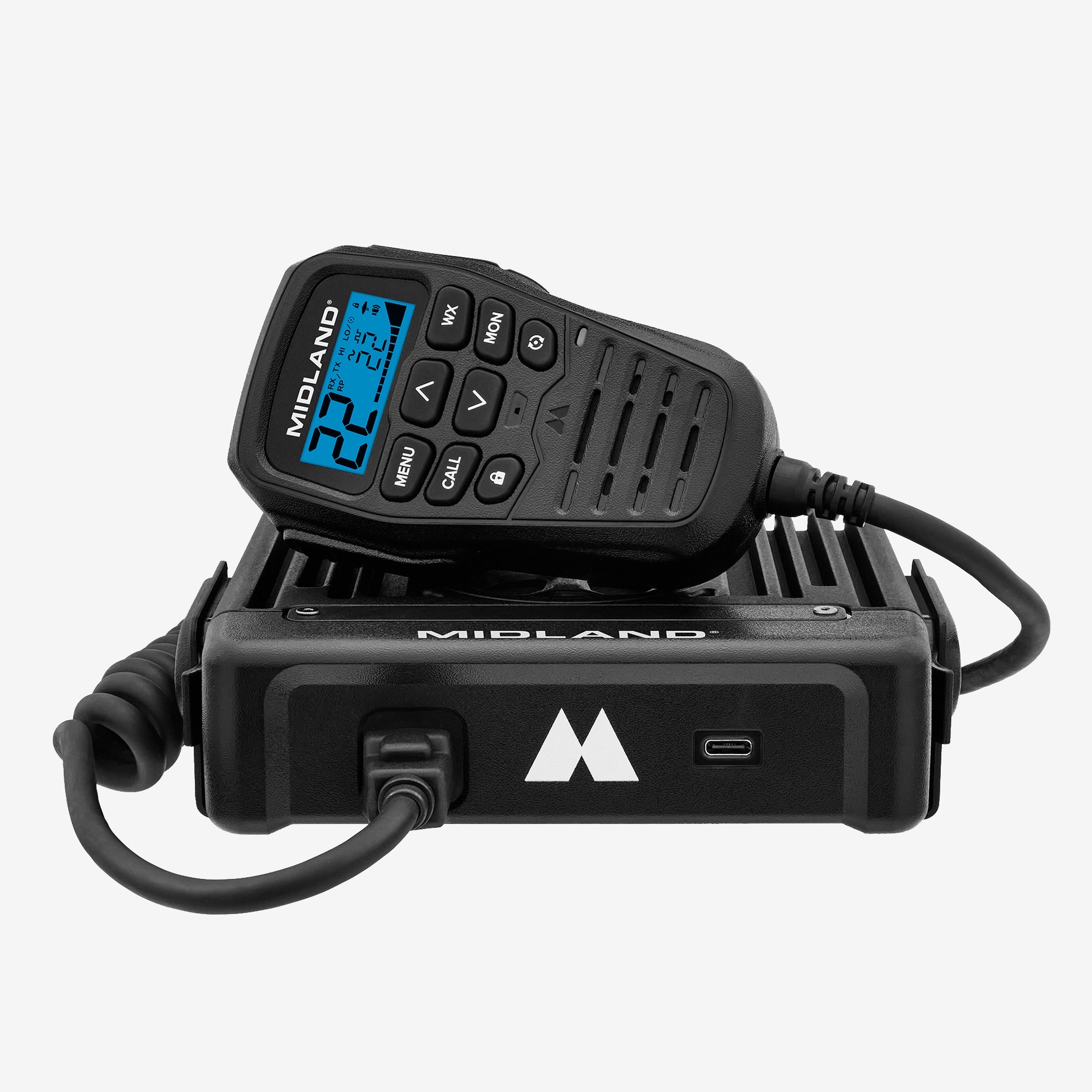
Midland
$449
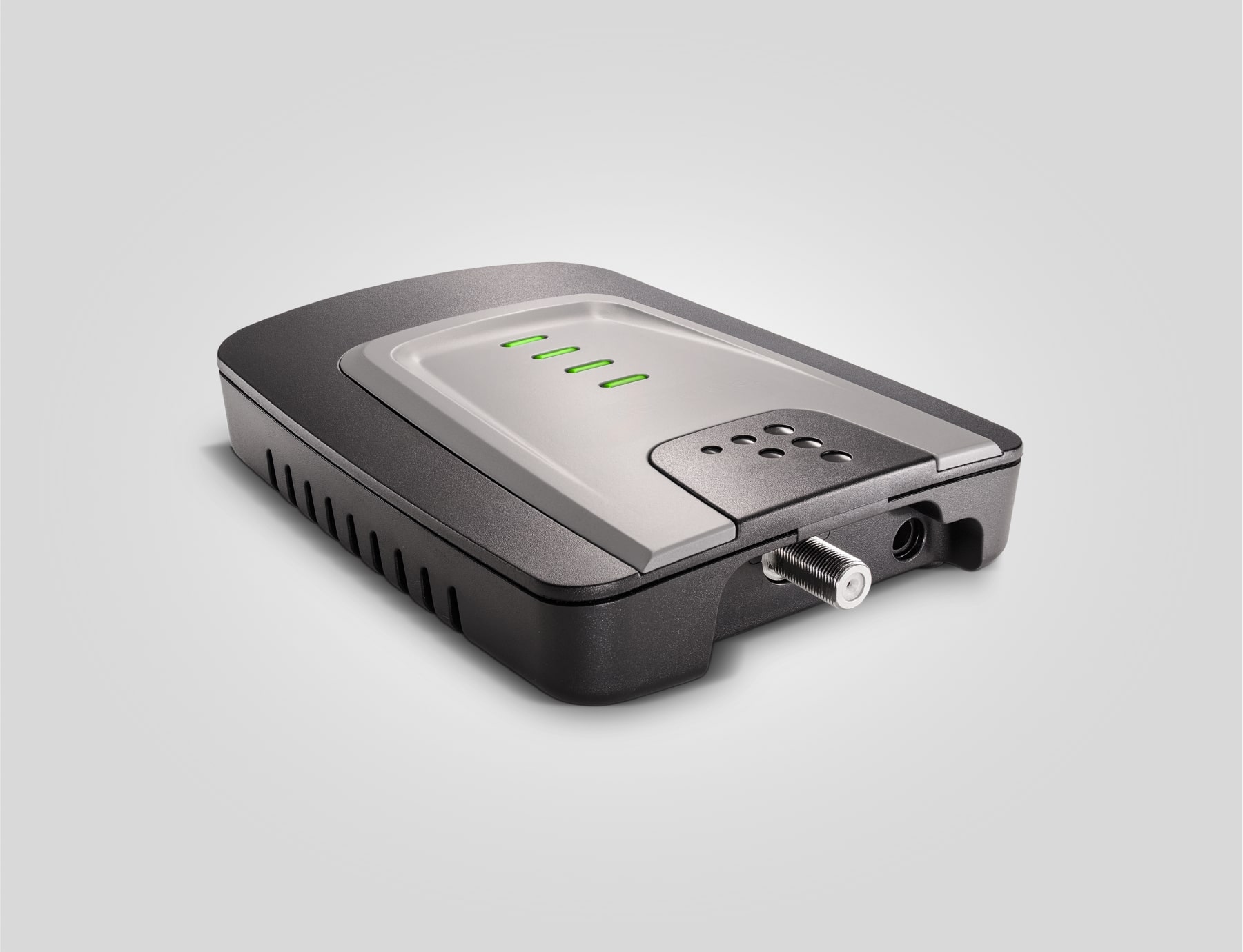
weBoost
$250
Spec-by-Spec Comparison
| Spec | Midland MXT575 50W MicroMobile GMRS Two-Way Radio | weBoost Home Studio Cell Signal Booster |
|---|---|---|
| Kit Role | Convoy GMRS command radio + NOAA weather alert monitor for RV/van builds | cell booster |
| Category | gmrs-mobile | cell-booster |
| Renter Install | vehicle mount | window route |
| Building Fit | vehicle / RV | one room |
| Max Power | 50 W | N/A |
| Channels | 15 | N/A |
| Clear LOS Range | 40 mi | N/A |
| Coverage | N/A | 3000 sq ft |
| Battery Life | N/A | N/A |
| Water Resistant | No | No |
| SOS Button | No | No |
| Weather Alerts | Yes | No |
| License Required | Yes | No |
| Subscription Required | No | No |
| Subscription/mo | 0 $ | 0 $ |
| Price | $449 | $250 |
| Rating | 9.0/10 | 8.2/10 |
| Buy on Amazon | Buy on Amazon |
Pros & Cons
Midland MXT575 50W MicroMobile GMRS Two-Way Radio
Pros
- Maximum legal 50W output gives best possible GMRS range — 40+ miles line-of-sight
- Built-in NOAA Weather Scan + Alert monitors all 7 channels automatically
- 8 repeater channels with split-tone support for coordinating with repeater networks
- Fully integrated control mic saves dash space; hide-away radio unit keeps it stealthy
- USB-C QC 3.0 charging port (36W) charges phones from rig power
Cons
- Requires FCC GMRS license ($35, covers household for 10 years)
- Premium price — $450+ is a significant investment vs handheld alternatives
- Professional-level feature set may overwhelm casual users
- Not inherently waterproof (requires weatherproof antenna and cable routing)
weBoost Home Studio Cell Signal Booster
Pros
- Most trusted one-room booster in the kit
- Works with major US carriers when outside signal exists
- Keeps one phone station usable during weak-signal outages
- Smaller footprint than whole-home booster kits
- Clear role for apartments: one room by a window
Cons
- Not truly no-drill if the antenna route needs exterior placement
- Only solves weak signal, not a total carrier outage
- Coverage depends heavily on window-side signal strength
- Consumer boosters should be registered with the wireless provider before use
- Single-room coverage is not enough for large condos
Our Verdicts
Midland MXT575 50W MicroMobile GMRS Two-Way Radio
The MXT575 is the definitive GMRS mobile radio for RV and van-life convoy coordination — maximum legal power output, real NOAA weather alerting, and repeater capability make it the workhorse that turns a rig into a comms hub. Pairs perfectly with a magnetic-mount NMO antenna upgrade for roof-mounted range. FCC GMRS license required but trivially obtained.
weBoost Home Studio Cell Signal Booster
The Home Studio is the first cell booster most apartment dwellers should consider when one window gets usable signal but the rest of the unit is dead. It is not magic during a total tower outage, and it still needs wireless-provider registration and consent, but it can keep a command-post phone alive long enough to send updates, receive alerts, and coordinate next steps.